
I Thought “Generating a Report” Was the Hard Part
Until I Saw What Happens After

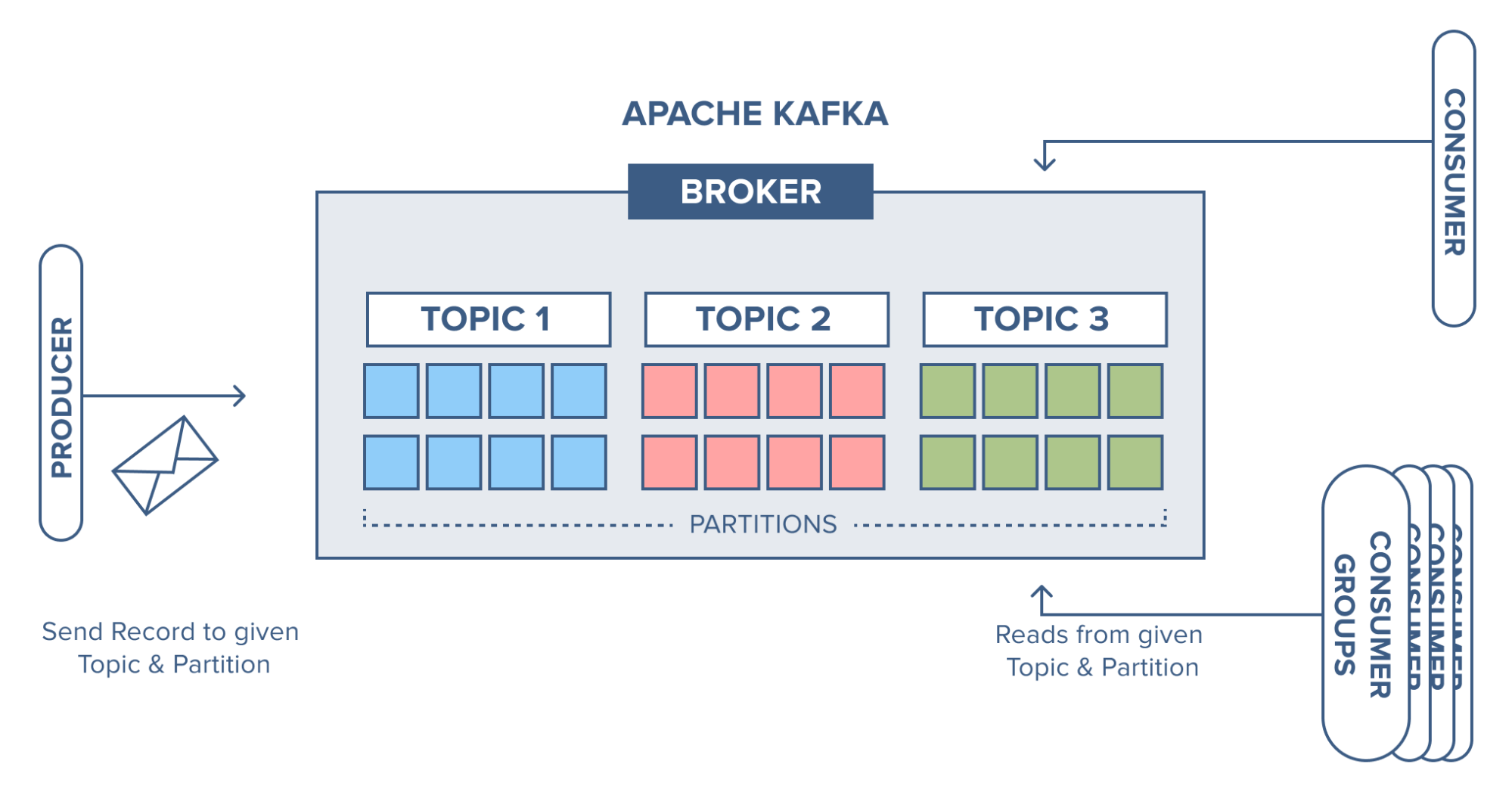
For a long time in my career, I believed report generation was the end of the story.
A user clicks Download Report.
The backend queries the database.
A file is generated.
The user gets it.
Done.
That mental model worked — until it didn’t.
The moment reports stopped being:
small
synchronous
user-triggered
single-consumer
Everything changed.
This blog is about that moment.
And about a flow that finally made sense to me:
.NET Application → Kafka → Ingestion Service → Shared Persistence / Blob Storage
At first, this flow looked unnecessarily complex.
Later, it felt inevitable.
When Reports Were Simple (and Why That Was Deceptive)
Early on, reports lived inside the application.
A controller would:
fetch data
format it
write a file
stream it back
It felt productive.
But over time, requirements grew quietly:
reports became large
generation took minutes
users wanted async processing
multiple teams wanted the same report
reports needed to be stored, audited, reprocessed
Suddenly, “generate and return” wasn’t enough.
That’s when the system started pushing back.
For content overview videos
https://www.youtube.com/@DotNetFullstackDev
The First Cracks: Reports Are Not Requests
The first realization was subtle but important:
A report is not a request-response problem.
A report is:
heavy
long-running
retryable
replayable
consumed by more than one party
Treating it like an HTTP request forces:
timeouts
retries from browsers
duplicated work
tight coupling between UI and backend
Once I accepted that, the architecture had to change.
Step 1: The .NET Application Stops “Doing” the Report
The biggest shift was this:
The .NET application stopped generating reports
and started declaring that a report should exist.
Instead of:
“Generate report now”
The app began to say:
“A report of type X, with parameters Y, is required.”
That declaration became an event, not a function call.
This is where Kafka entered the picture.
Why Kafka Was the Right Fit (Not a Queue, Not a Database)
At first glance, Kafka felt like overkill.
But then the nature of reports became clearer.
A report request:
is a fact (“this report was requested”)
may be processed later
may be processed multiple times
may be reprocessed if logic changes
must be auditable
Kafka fits because it treats events as records of truth, not tasks to discard.
The .NET app publishes something like:
“ReportRequested”
And then… it’s done.
No waiting.
No heavy lifting.
No assumption about who processes it.
That separation alone reduced stress in the codebase.
Keep the Momentum Going — Support the Journey
If this post helped you level up or added value to your day, feel free to fuel the next one — Buy Me a Coffee powers deeper breakdowns, real-world examples, and crisp technical storytelling.
What the .NET Application Is Responsible For (and What It Is Not)
This part matters.
The .NET application:
validates input
determines report intent
publishes the event to Kafka
returns immediately to the user
It does not:
fetch all report data
format files
write to storage
worry about retries or failures
This was uncomfortable at first.
Letting go of control always is.
But it made the app lighter, faster, and easier to reason about.
Kafka’s Role: The Unbiased Recorder
Kafka does not care about reports.
That’s its strength.
Kafka simply records:
report requested
with parameters
at this time
by this source
It doesn’t:
decide how to generate
care how long it takes
delete the message after consumption
That means:
multiple ingestion services can read the same request
failures don’t lose intent
logic can evolve without re-triggering users
Kafka became the memory of intent.
Enter the Ingestion Service: Where Work Actually Happens
This is where the real work lives.
The ingestion service is not a controller.
Not a UI.
Not a database.
It’s a specialized worker whose only responsibility is:
“Turn report intent into report artifacts.”
It:
consumes report events from Kafka
fetches data from multiple sources
applies business rules
formats output (CSV, PDF, Excel, JSON)
handles retries and partial failures
This service is allowed to be:
slow
CPU-heavy
memory-heavy
Because it’s isolated.
Failures here don’t take down the user-facing app.
That isolation was the biggest architectural win.
Why Ingestion Is a Separate Service (and Not Just a Background Job)
At some point I asked:
“Why not just run this as a background job in the same app?”
The answer came from experience:
Because ingestion:
scales differently
fails differently
evolves differently
needs different observability
has different SLAs
Once reports were critical, ingestion became a system, not a helper.
Separating it allowed:
independent scaling
independent deployments
independent retry strategies
And that independence saved us more than once.
Shared Persistence: The Final Destination
After generation, reports need a home.
Not inside memory.
Not inside the ingestion service.
Not inside Kafka.
They need shared persistence.
This is where blob storage (or shared file systems) comes in.
Blob storage is ideal because:
it’s durable
it’s cheap
it’s scalable
it’s accessible by multiple consumers
it decouples generation from consumption
Once a report is written to blob storage:
users can download it later
other services can process it
analytics jobs can read it
retention policies can apply
The report becomes a first-class artifact, not a temporary output.
The Flow, End to End (How It Feels in Practice)
Here’s how the system feels when designed this way:
User requests a report
.NET app validates and publishes intent to Kafka
Kafka records the request
Ingestion service consumes when ready
Report is generated asynchronously
Output is written to shared storage
Status updates can be published back if needed
No blocking.
No guessing.
No hidden coupling.
Just a clean flow of responsibility.
👉 I’ve shared the JWT Authentication Boilerplate for ASP.NET Core (.NET 8)
(Instant download, production-ready, no fluff)
The Biggest Mental Shift This Flow Taught Me
This architecture taught me something important:
Systems work better when intent, processing, and storage are separate concerns.
Trying to collapse them into one layer feels simpler —
until scale, failures, and change arrive.
Then separation stops feeling like ceremony
and starts feeling like relief.
Why This Design Ages Well
This flow survives change because:
report formats can change without UI changes
ingestion logic can evolve independently
storage policies can change without regeneration
new consumers can read old events
reprocessing is possible without user involvement
That’s not over-engineering.
That’s designing for time.
Final Thought
At first, this architecture feels indirect.
Why not just generate the report?
But once you live with it, you realize:
The complexity was always there.
You just moved it to the right places.
When the .NET app stops being a factory
and starts being a coordinator,
everything becomes calmer.
And calm systems are the ones that survive.